

Walking Safaris
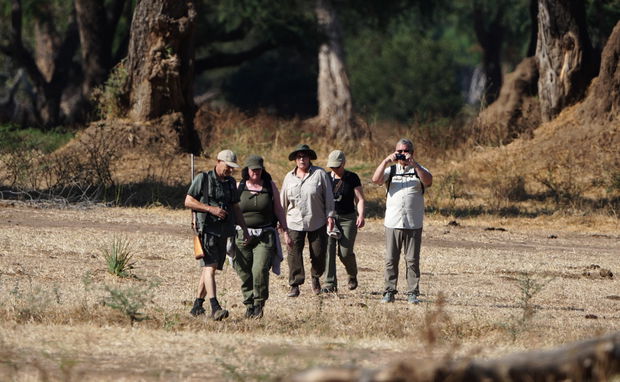
A walking safari brings Africa into sharp focus. You notice tracks, plants, insects, birdsong, and the subtle signs that a vehicle safari can pass by. It’s immersive, grounding, and guided by experts whose job is to keep you safe while helping you understand what you’re seeing.
Walking is the original way to safari
A great walking safari isn’t about clocking kilometres — it’s about reading the landscape. You’ll learn how guides interpret tracks in sand, alarm calls in the trees, shifting wind, and the behaviour of animals you may not even see.
What a walking safari feels like
Most walks are unhurried and guided in small groups. You’ll pause often: to examine spoor, watch a bird hunt, learn medicinal uses of plants, or simply stand still and listen. When wildlife is encountered, your guide manages positioning, distance, and timing. The goal is calm, respectful observation — never drama.
Safety and guiding standards
Walking safaris are led by trained specialists, and in many regions they are accompanied by an armed ranger (a normal safety protocol in big game areas). We recommend walking experiences only where guiding and operating standards are proven, and we match the walk style to your confidence and fitness.
Where walking safaris really shine
Some destinations are particularly well-suited to walking because of visibility, wilderness feel, and guiding culture. Two classics are South Luangwa (Zambia) and Mana Pools (Zimbabwe), but we’ll recommend the best fit based on season, camps, and what you most want to experience.
Who walking safaris are perfect for
Walking safaris tend to suit travellers who want a deeper, more interpretive experience than “spot-and-photograph”, enjoy nature at a slower pace, value expert guiding and learning, and like the idea of mixing walking with classic game drives for variety.
If you’re travelling with a mixed group (different fitness levels or interests), we can design a safari where walking is an optional highlight rather than the whole trip.
Practicalities
- Footwear: comfortable, broken-in walking shoes/boots with good grip
- Clothing: neutral colours; long sleeves/pants are often more comfortable in bush environments
- Daypack: water, hat, sunscreen, camera, and any personal medications
- Pace: usually gentle with frequent stops; we’ll advise if an itinerary includes longer “walk-between-camps” style walking
How we plan it
We’ll build walking into your safari in a way that feels natural — pairing it with the right camps, seasons, and guides, and balancing it against game drives, water activities, or cultural time. And throughout your journey, our Safari Sentinel support is on hand for peace of mind.

Share This Page